Get a summary of this article with your favorite AI:
Artificial Intelligence is transforming the way businesses manage operations, interact with customers, and make decisions. AI integration and automation allow companies to connect intelligent technologies with their existing software, applications, and workflows. Instead of relying on employees for every repetitive task, businesses can use AI to automate processes, analyze information, communicate with customers, and improve productivity.
Devex Hub provides AI integration and automation solutions designed to help businesses reduce workload, streamline operations, and develop smarter AI-driven workflows. Its solutions include AI agents, workflow automation, chatbots, voice AI, data management, and multi-platform integrations.
What Is AI Integration and Automation?
AI integration means connecting AI capabilities with existing business systems, while AI integration services in Mohali help automate repetitive tasks with minimal human intervention. Together, they create smarter workflows that can analyze information, trigger actions, communicate with customers, and support decision-making.
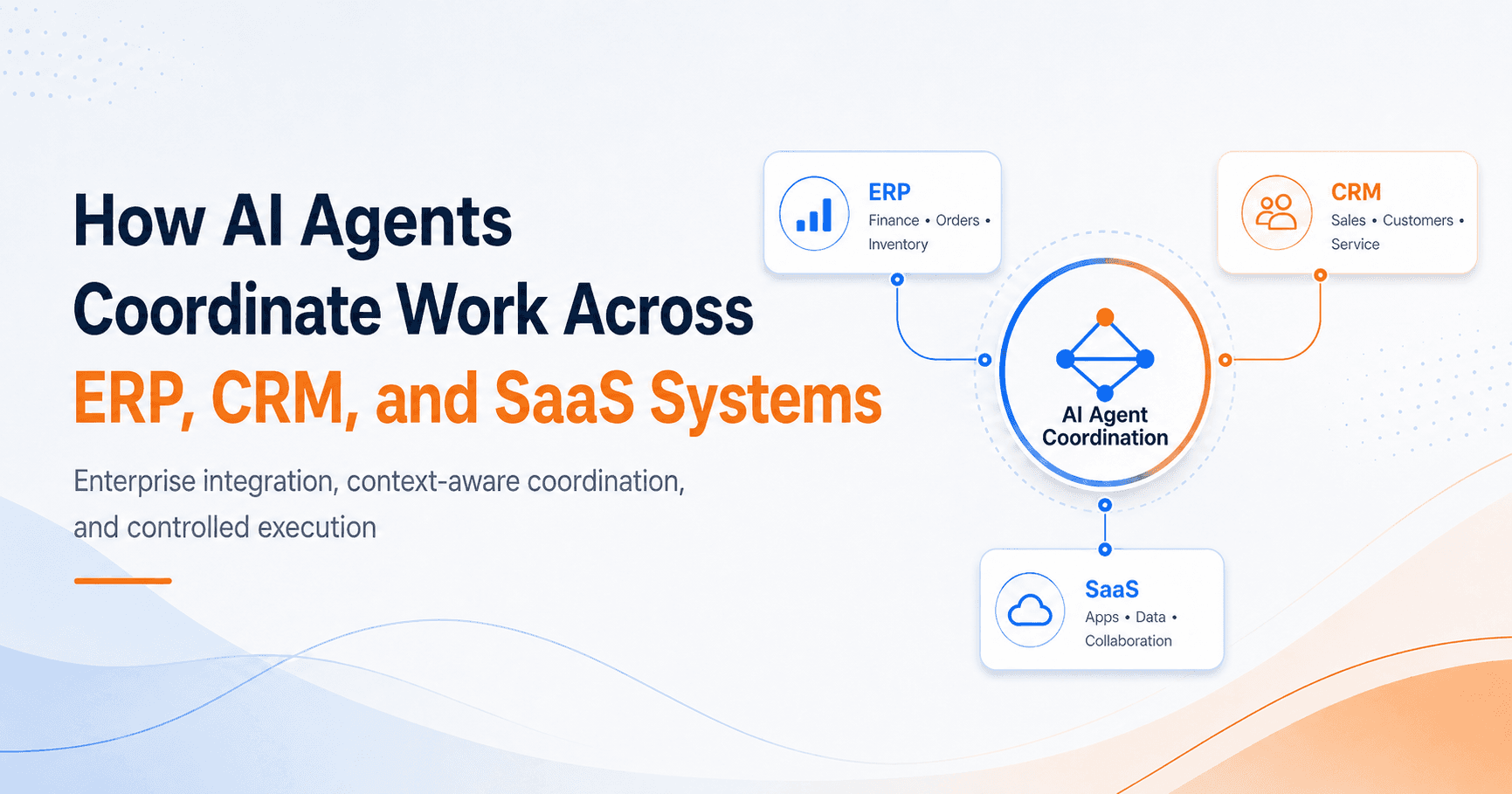
For example, when a customer submits an inquiry, an automated AI workflow can collect the information, analyze the request, update the CRM, send an appropriate response, and notify the relevant team. This reduces manual work while making business processes faster and more consistent.
Why Is AI Automation Important for Businesses?
As businesses grow, repetitive activities can consume significant employee time. AI automation helps organizations handle these activities efficiently while allowing employees to concentrate on strategic and creative responsibilities.
Some important benefits include:
Reduced Manual Work: AI can automate repetitive activities such as data entry, lead management, follow-ups, notifications, and routine customer queries. This allows employees to spend more time on valuable business activities.
Improved Productivity: Automated workflows can complete tasks quickly and consistently. Businesses can process more work without increasing the workload on their teams.
Better Decision-Making: AI can analyze large amounts of information, identify patterns, and provide useful insights. These capabilities can help organizations make faster and more informed decisions.
Enhanced Customer Experience: AI-powered chatbots and voice assistants can provide quick responses and support customers around the clock. Personalized interactions can also improve customer satisfaction and engagement.
Cost and Time Efficiency: Automating repetitive processes can reduce the time required for routine operations. Businesses can use their workforce and resources more efficiently.
Key AI Integration and Automation Technologies
Businesses can use different platforms depending on their workflow, industry, and automation requirements. Devex Hub highlights several technologies that can be used to develop intelligent business processes.
1. Relevance AI
Relevance AI can be used to create AI agents and multi-agent teams that perform business tasks. AI models can be trained and connected with other platforms to automate workflows according to specific business requirements.
Benefits include:
Faster, data-driven decision-making.
Automated and organized workflows.
Flexible AI agents for different business tasks.
Reduced workload for employees.
2. Airtable AI
Airtable AI can help businesses manage information, create custom applications, and automate workflows. By connecting data with AI-powered processes, teams can organize information and collaborate more efficiently.
It can be particularly useful for businesses that need centralized data management combined with workflow automation and integration with other business tools.
3. Zapier
Zapier enables businesses to connect different applications and automate tasks between them. It can support areas such as marketing, sales, lead management, IT support, and data management.
Instead of manually transferring information between applications, businesses can create automated workflows that move data and trigger actions automatically.
4. Vapi
Vapi can be used to create voice AI solutions for real-time customer interactions. AI-powered voice systems can support customer service, sales, inquiries, bookings, and other communication-based processes.
These systems can understand speech, process information, and take appropriate actions, helping businesses provide faster and more convenient customer support.
5. Make
Make is an automation platform that enables businesses to connect applications and build automated workflows. It can be used across departments such as marketing, sales, finance, HR, and customer support.
By connecting multiple applications, businesses can reduce repetitive work and create more efficient processes across their organization.
How to Implement AI Automation Successfully
AI automation should be implemented strategically. Businesses should first understand their existing processes and then identify where AI can provide measurable value.
1. Identify Repetitive Tasks
Start by identifying processes that require significant manual effort. Tasks such as data entry, lead qualification, customer support, reporting, and follow-ups are often suitable for automation.
Understanding these processes helps businesses determine which activities can be automated without negatively affecting important human interactions.
2. Analyze Existing Systems
Review your current software, databases, CRM platforms, applications, and internal workflows before selecting an AI solution. This helps identify integration opportunities and potential technical limitations.
A detailed assessment ensures that new AI capabilities can work effectively with the technology infrastructure already in place.
3. Define Clear Business Goals
Set measurable objectives before starting an AI automation project. Goals could include reducing response times, improving customer service, increasing productivity, reducing manual workload, or improving operational efficiency.
Clear objectives make it easier to measure the performance and return on investment of an AI solution.
4. Select the Right Technology
Choose AI platforms based on your business requirements, data availability, existing systems, scalability, and budget. The best solution is not necessarily the most advanced technology; it is the one that effectively solves your specific business problem.
5. Test, Monitor, and Improve
AI automation should be continuously monitored after implementation. Testing workflows and collecting feedback can help identify errors, improve processes, and ensure that automation continues to deliver the expected results.
Industries That Can Benefit from AI Automation
AI integration can be adapted to a wide range of industries and business models. Devex Hub highlights applications across several sectors.
E-commerce: AI can support customer communication, lead management, product-related assistance, and automated business workflows.
Real Estate: AI automation can help with lead qualification, customer follow-ups, property inquiries, and communication.
Healthcare: AI can support administrative workflows, patient communication, scheduling, and information management.
Logistics: AI can assist with delivery planning, tracking, route optimization, and operational processes.
Online Learning: AI can improve learner support, automate communication, and help manage digital learning platforms.
Hospitality: AI can analyze guest preferences, provide personalized recommendations, automate communication, and offer 24/7 assistance.
Finance and Insurance: AI can analyze financial information, support risk assessment, automate credit scoring, and help identify suspicious transactions.
The Future of AI Integration and Automation
AI automation is becoming an important part of digital transformation. As AI technologies continue to evolve, businesses will have more opportunities to create intelligent systems that work alongside human teams.
The goal should not simply be to automate every available task. Businesses should identify processes where AI can provide genuine value while keeping human expertise involved in activities that require creativity, judgment, empathy, and strategic thinking.
Conclusion
AI integration and automation can help businesses work smarter, faster, and more efficiently. By connecting AI with existing applications and workflows, organizations can automate repetitive tasks, improve customer experiences, manage information more effectively, and support better decision-making.
From AI agents and chatbots to voice AI and multi-platform workflow automation, businesses can choose solutions based on their specific needs. With proper planning, suitable technology, and continuous optimization, AI automation can become a powerful tool for improving productivity and building scalable business operations.
Devex Hub focuses on developing AI-driven solutions tailored to business requirements, helping organizations turn repetitive processes into intelligent and efficient workflows.