Get a summary of this article with your favorite AI:
Java has remained one of the most trusted programming languages for enterprise software for decades. Its reliability, scalability, and security make it a preferred choice for organizations that need custom business applications. Instead of relying on off-the-shelf software, many companies choose custom Java software development to build solutions that align with their unique workflows and long-term business goals.
Businesses across the USA use Java to create web applications, enterprise systems, financial platforms, healthcare software, cloud-based solutions, and mobile applications. This guide explains what custom Java software development is, its advantages, development process, use cases, challenges, and best practices.
What Is Custom Java Software Development?
Custom Java software development is the process of designing, developing, testing, and maintaining software applications using the Java programming language according to specific business requirements.
Unlike ready-made software, custom solutions are created to solve unique business challenges. They provide greater flexibility, improved performance, and easier integration with existing systems.
Java is widely recognized for its platform independence through the "Write Once, Run Anywhere" approach. Applications developed in Java can operate across multiple operating systems with minimal modifications.
Why Businesses in the USA Choose Java
Organizations continue to invest in Java because it delivers long-term stability and excellent performance.
Platform Independence
Java applications can run on Windows, Linux, and macOS without major changes. This flexibility reduces deployment complexity.
Strong Security
Java includes built-in security features such as bytecode verification, secure class loading, encryption libraries, and authentication support. These features make it suitable for industries handling sensitive information.
Modern Java Virtual Machine (JVM) optimizations allow Java applications to process large workloads efficiently while maintaining stable performance.
Large Developer Community
Java has one of the world's largest developer communities. Businesses benefit from continuous improvements, extensive documentation, and long-term support.
Enterprise-Ready Architecture
Large organizations often choose Java because it supports high-performance enterprise applications capable of handling thousands of simultaneous users.
Benefits of Custom Java Software Development
Custom Java development provides several advantages over generic software solutions.
Software Built Around Business Needs
Custom applications are designed specifically for organizational processes rather than forcing businesses to adapt to predefined software limitations.
Better Scalability
As companies grow, software requirements evolve. Java applications can scale horizontally and vertically to support increasing users, transactions, and data volumes.
Improved Integration
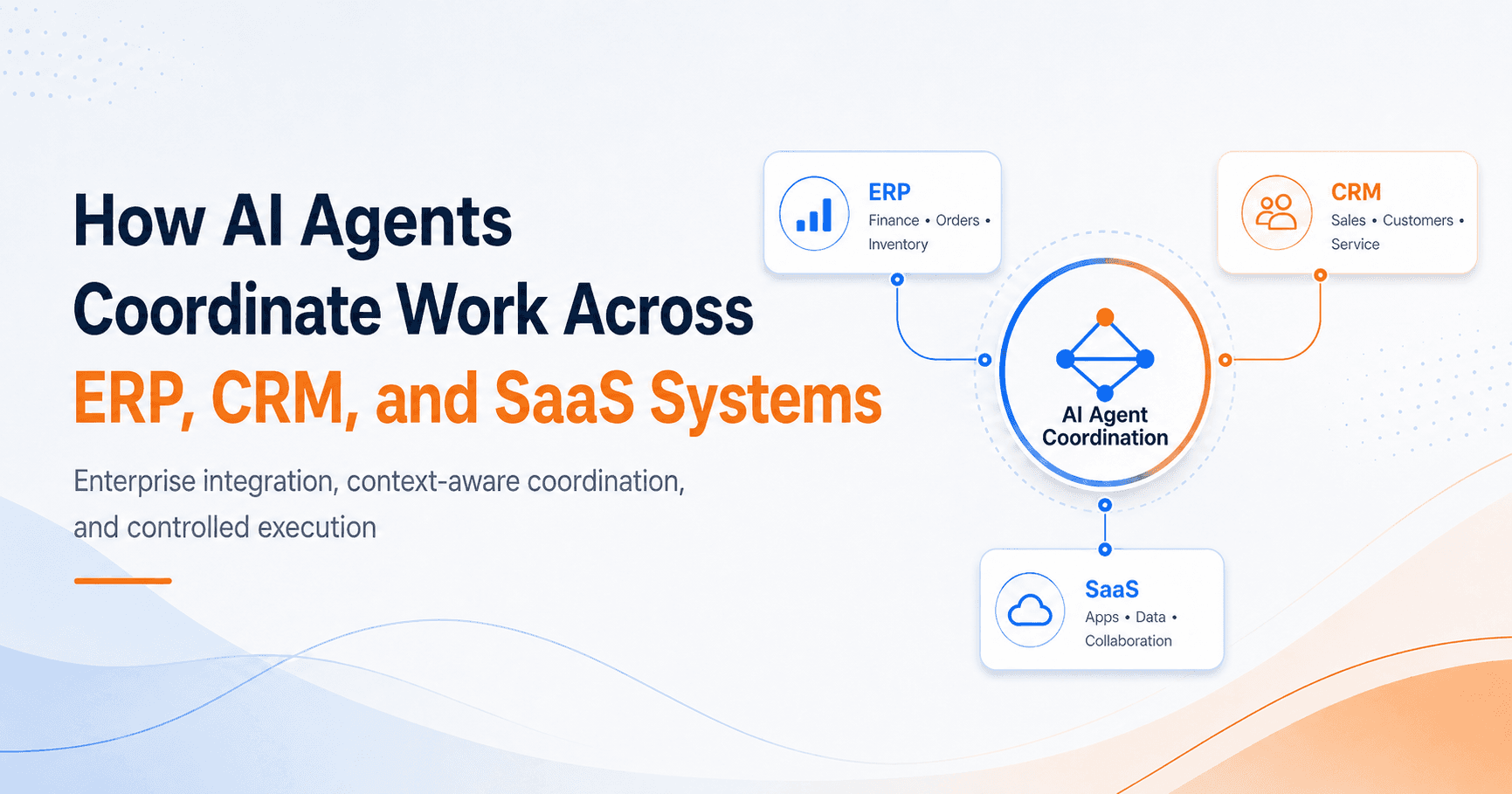
Java applications integrate with existing databases, cloud platforms, payment gateways, CRMs, ERPs, and third-party APIs.
Long-Term Cost Efficiency
Although custom software requires higher initial investment, it often reduces recurring licensing costs and eliminates unnecessary features.
Higher Security Standards
Custom development allows organizations to implement security controls tailored to their industry regulations and compliance requirements.
Common Applications of Custom Java Software Development
Java supports a wide variety of software projects across multiple industries.
Enterprise Resource Planning (ERP)
Businesses use Java to develop enterprise management systems that streamline finance, inventory, procurement, and operations.
Customer Relationship Management (CRM)
Custom CRM systems help organizations manage customer interactions, sales pipelines, marketing campaigns, and support activities.
Financial Applications
Banks, insurance companies, and financial institutions rely on Java for secure transaction processing and risk management.
Healthcare Solutions
Healthcare organizations develop electronic medical record systems, appointment scheduling software, patient portals, and hospital management systems using Java.
E-commerce Platforms
Java powers scalable online stores with inventory management, payment processing, order tracking, and customer management capabilities.
Cloud-Based Applications
Java integrates well with cloud infrastructure, enabling businesses to build scalable Software-as-a-Service (SaaS) applications.
The Custom Java Software Development Process
A structured development process improves project quality and reduces risks.
Requirement Analysis
The first stage involves understanding business goals, user expectations, technical requirements, and project scope.
Automated deployment pipelines improve software delivery speed and reliability.
Internet of Things (IoT)
Java supports connected devices used in manufacturing, logistics, healthcare, and smart infrastructure.
Conclusion
Custom Java software development remains one of the most reliable approaches for building secure, scalable, and high-performance business applications. Its platform independence, mature ecosystem, enterprise capabilities, and extensive community support make it suitable for organizations of every size.
Businesses in the USA continue to adopt Java for enterprise software, cloud applications, financial systems, healthcare platforms, retail solutions, and digital transformation initiatives. By following modern development practices, prioritizing security, and designing scalable architectures, organizations can build software that supports both current operations and future growth.
.jfif&w=3840&q=75)


.jpeg&w=3840&q=75)